
AGM Weekly #6 Is FIFA about to sell the World Cup?
Selling the World Cup, a Bahrain Grand Prix in Malaysia, and Antonelli 50 points clear.

Welcome back to AGM Weekly. I took a break over the summer that ended up being longer than planned, but the newsletter is back with my thoughts from the commercial and cultural side of sport, plus what I’ve been reading and listening to.
ICYMI
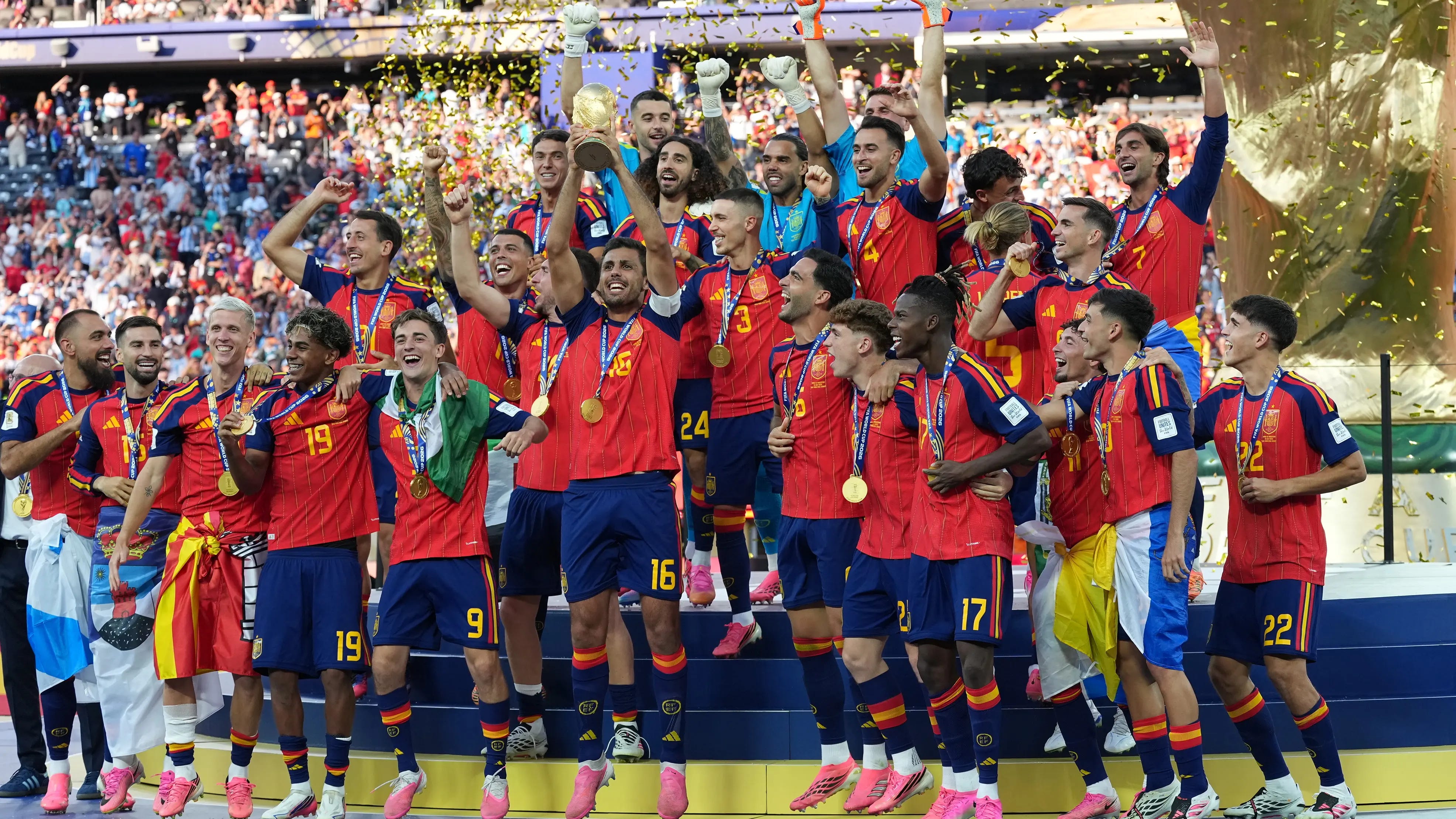
Quite a bit has happened since the last edition. Spain won the World Cup, Jannik Sinner defended his Wimbledon title, and the commercial side hasn’t stopped for a second. Here are a few things I found interesting:
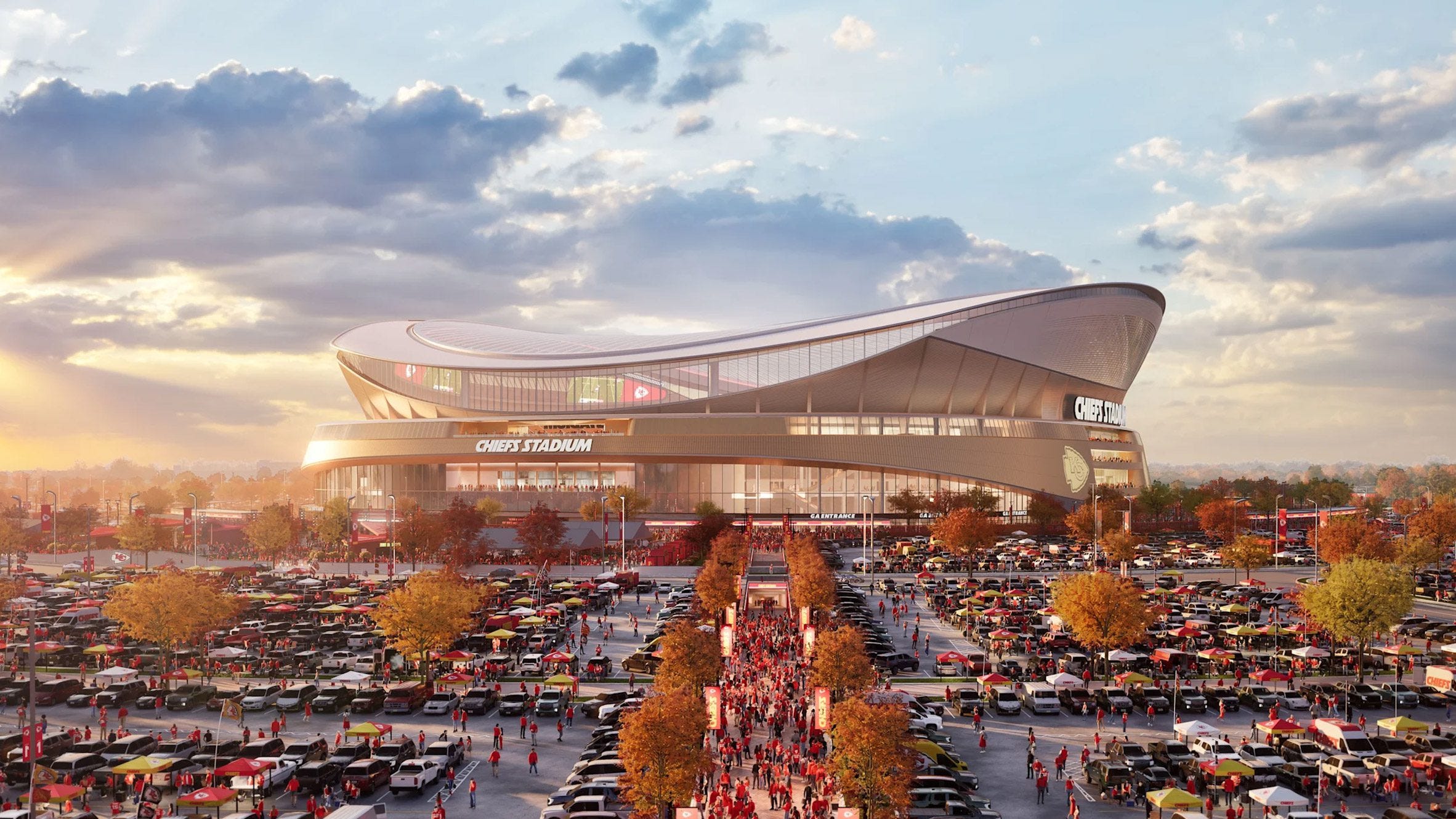
The Kansas City Chiefs have released the first renderings of their new $3bn stadium, a fully enclosed 70,000-seat dome opening in Kansas City, Kansas, in 2031. The roof uses translucent ETFE panels, and the bowl geometry was modelled by audio engineers to preserve Arrowhead’s crowd noise.
Mexico’s shirt is the best-selling of the World Cup, ahead of Argentina and Germany, with Adidas projecting over 3 million units for each of the three. Mexico leads all 14 federations Adidas kits at the tournament, and did so after going out in the last 16 to England.
The Seattle Seahawks sold to the Khosla family for a reported $9.612bn, an NFL record against the $6.05bn paid for the Commanders in 2023. Owners vote on 26 August in Atlanta. Paul Allen paid $194m for the franchise in 1997.
Sepang will host this year’s Bahrain Grand Prix in October, an unusual workaround that keeps Bahrain on the calendar without racing in the country itself. Qatar and Abu Dhabi remain as the final two rounds, but Stefano Domenicali confirmed that if those races cannot go ahead, the 2026 season will conclude in Europe instead.
FIFA wants to sell the World Cup but UEFA won’t take part
The World Cup has left FIFA in a position of extraordinary commercial strength, and they now expect to top $15bn in revenue across the 2023 to 2026 cycle. The important point is, though, that whatever the tournament looked like from the outside, it has strengthened rather than weakened Infantino’s hand. More than 200 members have reportedly already pledged their support for his re-election in 2027.
Infantino is now trying to use that position of strength to push through one of the most significant commercial changes to the World Cup. On Tuesday, FIFA began a consultation on the creation of FIFA Forward Enterprise (FEE), a new subsidiary that would bring together the commercial rights for its competitions, including broadcast, sponsorship, licensing, ticketing and hospitality, and operational delivery of FIFA tournaments. FIFA says the aim is to create a more focused operation that can unlock value and return more money to its members.
The proposed scale is enormous. FIFA values FEE at $20bn and says it could raise up to $4.2bn by selling a minority, non-controlling stake of up to 20 per cent to outside investors. FIFA insists it would retain sole control of the company, including majority board representation, and that sporting decisions, governance, the international calendar and competition formats would remain with FIFA and its members.
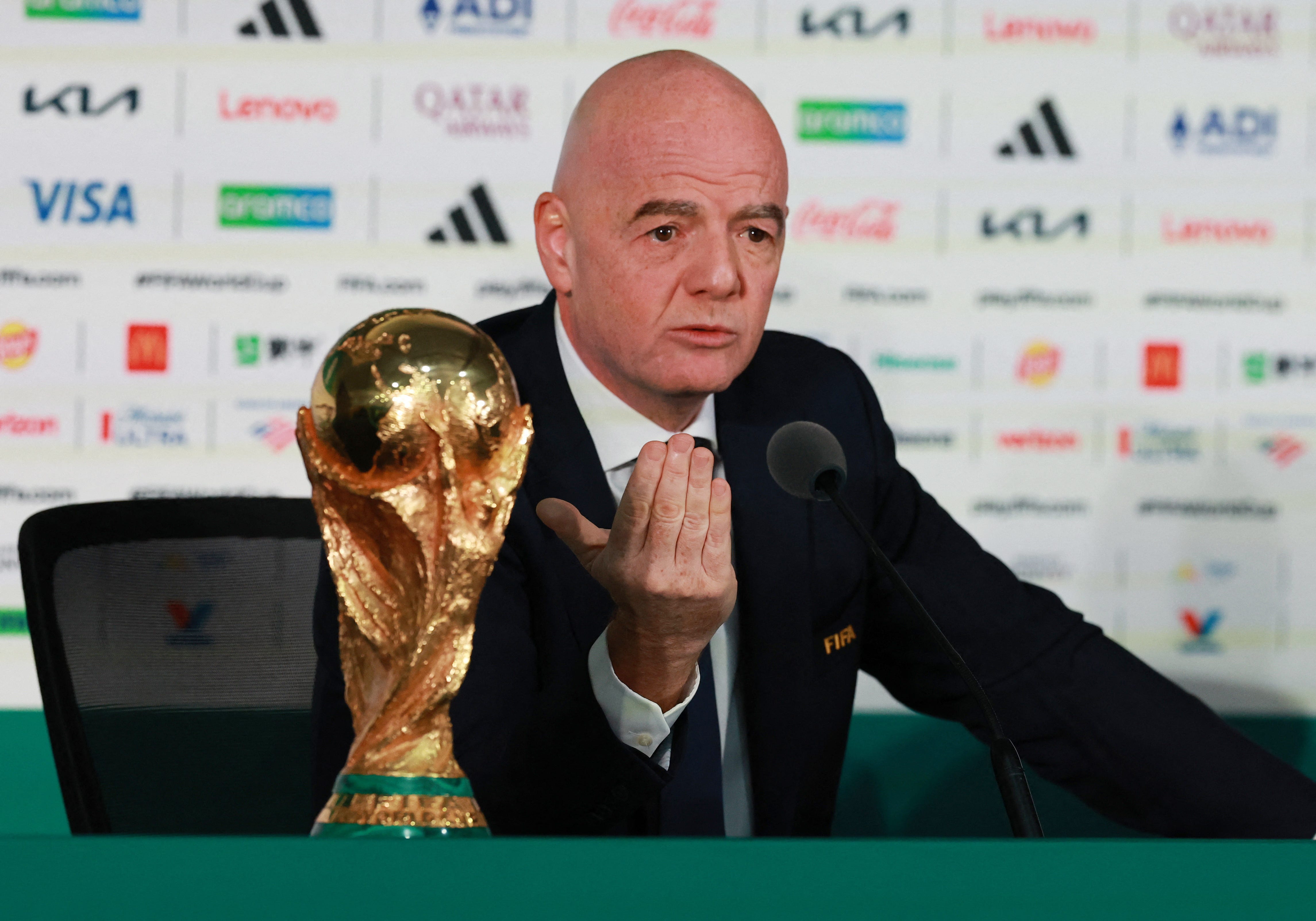
It would be significant, and FIFA wants to move quickly. Infantino has given members until 19th September to decide whether they want to participate in the new funding model. Those that do could access up to $40m across the 2027 to 2030 cycle, made up of $20m through FIFA Forward and a further optional $20m through FEE. Those that do not would remain on the existing Forward 4.0 model, which is closer to $10m per association for the cycle.
However, the backlash has been seismic. UEFA said the plan crossed a line football’s institutions should never cross, and that the game’s soul and governance are not assets to trade. The FA called itself “deeply concerned” at the lack of process, while CONCACAF and the AFC both said they had not been properly consulted before the proposal became public.
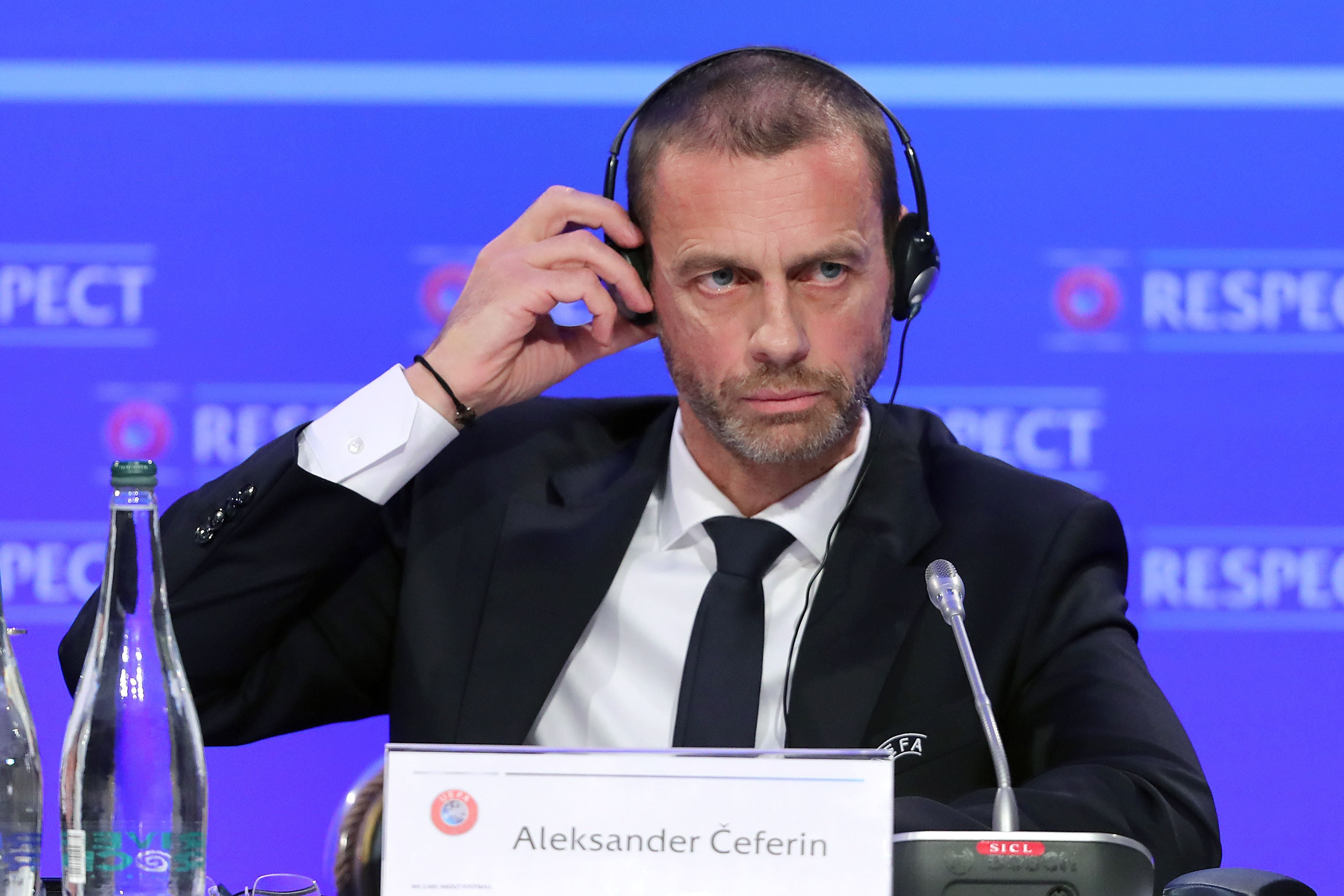
Earlier today, UEFA’s members met virtually and voted unanimously to withdraw from all FIFA competitions. The boycott covers the men’s and women’s World Cups and the Club World Cup, and it holds for as long as the FFE proposal remains alive rather than only if members approve it in September. UEFA will lift the threat only if FIFA abandons the plan in full and gives binding assurances it will not return to the idea. “The World Cup is not for sale,” the statement read.
European nations have won seven of the last ten World Cups, and the tournament’s commercial value rests heavily on their players and their broadcast markets. FIFA still holds the votes, needing only a simple majority of its 211 members, with Infantino’s support concentrated across Africa, Asia and South America. All eyes are on FIFA’s responses, and the next few weeks and days leave football at a significant crossroads.
F1 Mid-Season Review
The first half has been unpredictable in the way new regulations always make a season unpredictable, and unexpected in that nobody had Kimi Antonelli leading the championship at the summer break. He leads by 50 points with six wins from eleven rounds. For all the shouting about the regulations and a calendar thrown in disarray by conflict, there is a lot here to be positive about the 2026 F1 season.
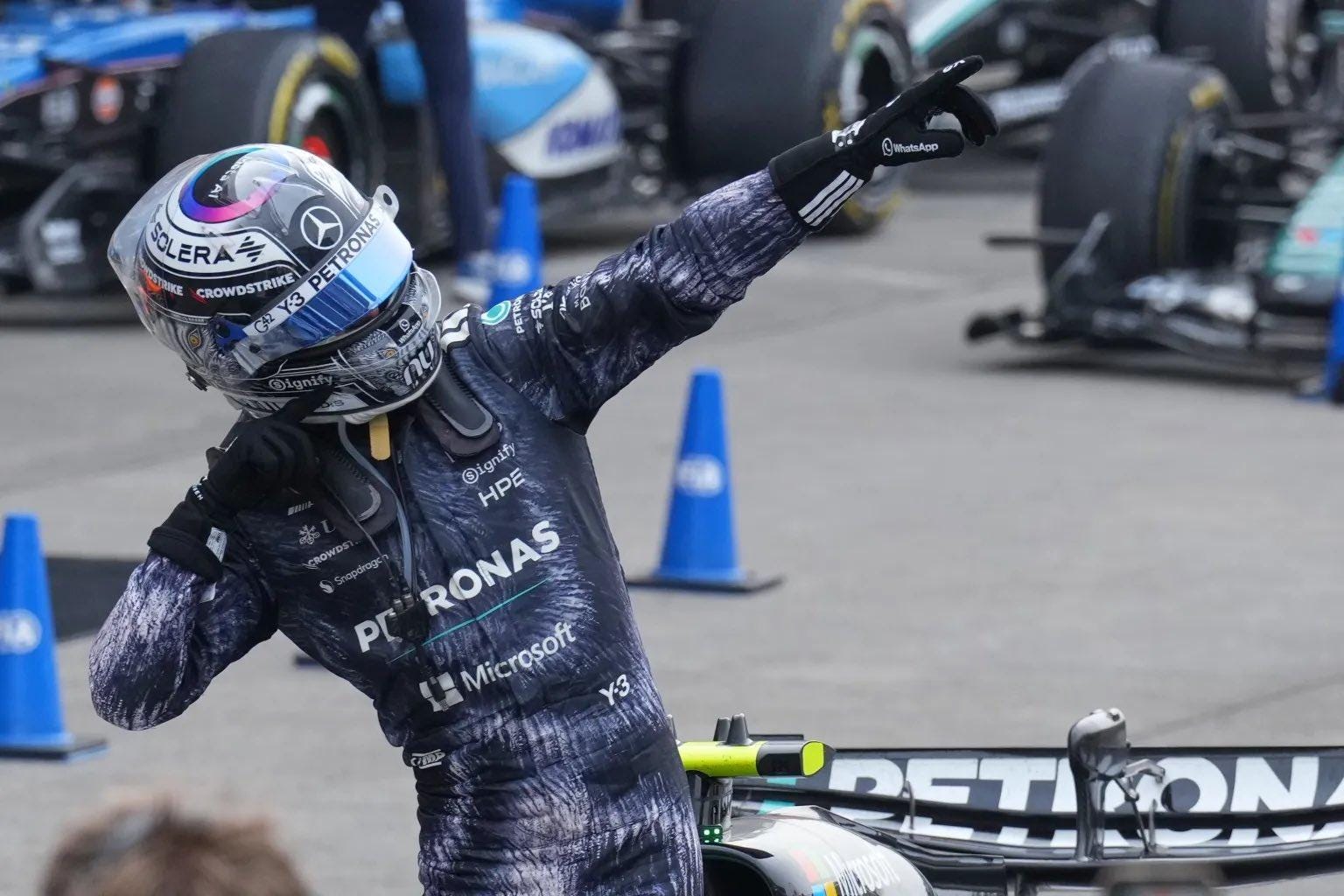
Commercially, the sport sits in a strong position. Q1 revenue reached $617m, up 53 per cent year on year, with primary revenue covering race promotion, media rights, and sponsorship up 55 per cent to $496m.
This is despite two races dropping off the calendar but has produced the season’s strangest calendar quirk. Last weekend, F1 announced that Sepang will host an event titled the Bahrain Grand Prix from 2nd to 4th October, funded by Bahrain, some 6,000km from Bahrain. Qatar and Abu Dhabi remain as the final two rounds, but F1 confirmed that if those races cannot go ahead, the 2026 season will conclude in Europe instead.
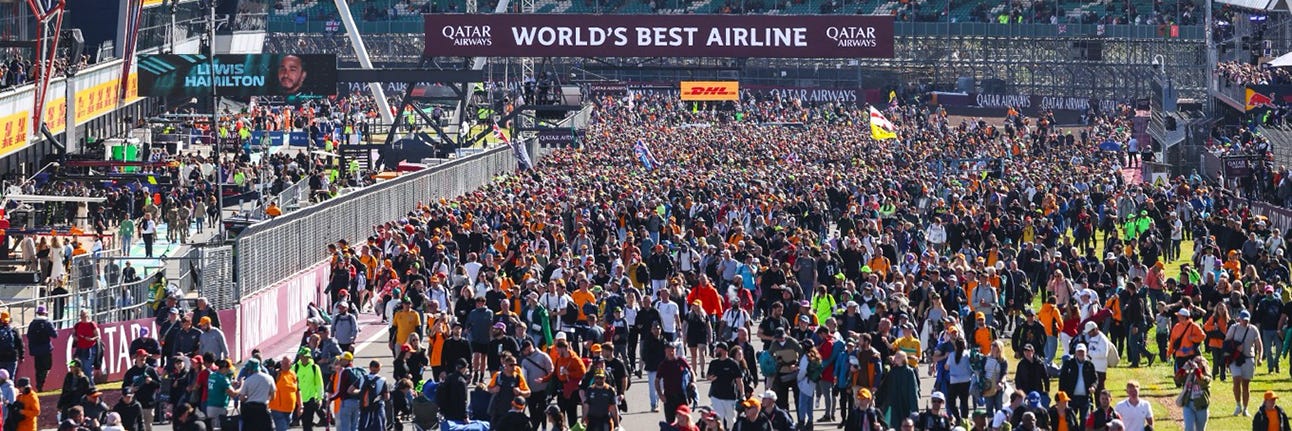
Attendance shows the audience has not gone anywhere. Silverstone drew 564,000 across four days, the largest crowd in the sport’s history, beating a 31-year-old Adelaide record and adding roughly 64,000 on its own 2025 figure. Melbourne set a circuit record at 483,934, the fifth consecutive year it has done so.
Television is harder to read, for structural reasons. F1 claimed audiences up 25% across its biggest markets after three rounds, Spanish figures fell over the same stretch, and the American series moved exclusively to Apple TV, leaving no honest comparison against ESPN’s 1.1m for Melbourne last year. The opacity suits everyone who has to report a number.
On track, the cars have proved complex enough that circuit characteristics now dictate performance, and momentum moves between teams accordingly. Mercedes have the constructors’ title close to settled at 379 against Ferrari’s 307 and McLaren’s 220. Whether the drivers’ fight survives the second half depends on that variance, and the smart money still puts Antonelli as favourite.
Reading
If you want in on the debate engulfing the World Cup, Joey D'Urso has a great piece making the case for a 64-team tournament.

The New York Knicks have been one of the biggest sports stories of the summer, and Sophia Prieto has written a wonderful piece on Knicks star Jalen Brunson.

No one does sponsorship analysis better than Sarah Beakey , who has a great piece on what F1 can learn from the World Cup.

Finally, I wrote a piece for The Paddock Journal exploring a new way to think about how F1 builds its season calendar.

Podcasts
Beyond FFE, English football has its own money fight. Premier League clubs are voting on the ‘New Deal’, worth around £1.5bn to the EFL over ten years and funded partly by lifting the transfer levy from 4% to 6%. It needs 14 of the 20 clubs, and one former Premier League board member has already predicted it falls. The Price of Football is the best guide to why Championship economics make this so hard to settle.
ESPN is the other story. Its layoffs were announced following the acquisition of NFL Network and RedZone distribution rights. The Varsity, at Puck, has the sharpest read on what happens when a league part-owns its own broadcaster.
That’s a wrap for this week. If it’s your sort of thing, subscribe, and I’ll be in your inbox again next Monday.
Great piece. I’ve just finished off an article on this, with a different viewpoint of the Americanisation of the game + the World Cup’s effect etc. Loved this. UEFA coming out strong today has really skyrocketed the situation.
Good on UEFA, never thought I'd say that. It's a bluff, but sometimes that's all you've got. Going to dig into how far Infantino can actually take this legally.