
F1's 2026 Reset
Abu Dhabi closed the book on multiple eras. What arrives in Melbourne will look, sound, and race fundamentally differently.

Abu Dhabi 2025 didn’t just close out a thrilling title fight. It marked the simultaneous end of multiple eras, technical, commercial, competitive, in a way Formula 1 hasn’t experienced in over a decade. F1 in 2026 will look very different: new teams, regulations, and engines that could completely reshape the competitive order.
What Ended at Yas Marina
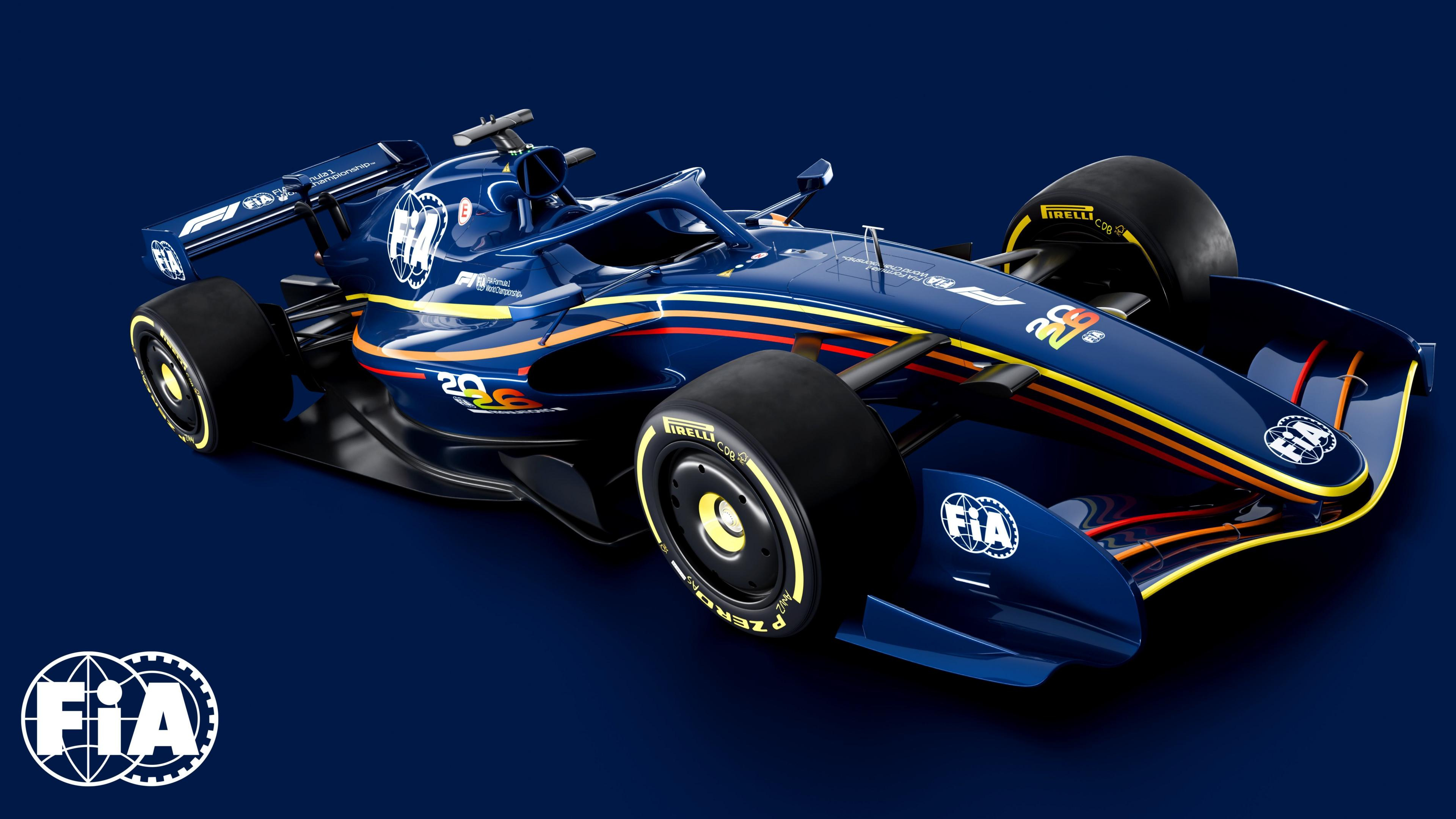
The technical changes alone represent the biggest regulatory overhaul since the hybrid era began in 2014. The 2025 season finale marked the last time we’ll see DRS, the overtaking aid that’s defined racing since 2011. It was the final race for the ground-effect regulations introduced in 2022, designed to allow cars to follow more closely. And it closed the book on the hybrid power unit configuration, 1.6-litre V6 turbos with a specific energy recovery split, that’s powered F1 for over a decade.
Beyond the technical regulations, the personnel and partnership changes were equally dramatic. Red Bull, the team that won four consecutive championships through 2024, underwent wholesale restructuring that seemed inconceivable 18 months earlier. Christian Horner, who led the team for 20 years, was dismissed in July. Adrian Newey, the design genius behind their dominance, departed for Aston Martin. Jonathan Wheatley left for Sauber. Helmut Marko resigned after the season. The entire power structure that delivered Red Bull’s success has been dismantled.
The partnership endings extended across the grid. Honda and Red Bull closed out a collaboration that delivered 71 victories and four championships. Renault, after nearly 50 years of factory engine operations, withdrew entirely, unable to justify the investment. The Sauber name, present on the grid since 1993, disappears as Audi takes over.
What Arrives in 2026
The technical transformation is comprehensive. DRS gets replaced by Manual Override Mode, an electrical boost system that rewards attacking drivers without the predictability of highway-style overtakes. Active aerodynamics on both front and rear wings allow drivers to adjust downforce in real-time, adding a strategic element to car setup. The power units shift to a 50-50 split between electric and combustion power, a 300% increase in electrical deployment, while the cars themselves shrink, becoming more nimble and creating cleaner airflow for closer racing.
These changes aim to create more dramatic, driver-focused battles. The Manual Override Mode puts overtaking decisions in drivers’ hands rather than being automatically available in DRS zones. Active aero means drivers can prioritise straight-line speed or cornering grip lap-by-lap. The increased electrical deployment makes energy management a more significant tactical element. The racing won’t just look different. It will require different skills.
More significant than the regulations is the manufacturer landscape. F1 will have five power unit suppliers in 2026, the most competitive engine environment in decades. Ford returns to F1 for the first time since 2003, partnering with Red Bull Powertrains as the Milton Keynes team becomes the first to transition from chassis constructor to full works operation. Ford’s F1 heritage spans 155 victories and 10 constructors’ championships, connecting Jim Clark to Ayrton Senna to Michael Schumacher.
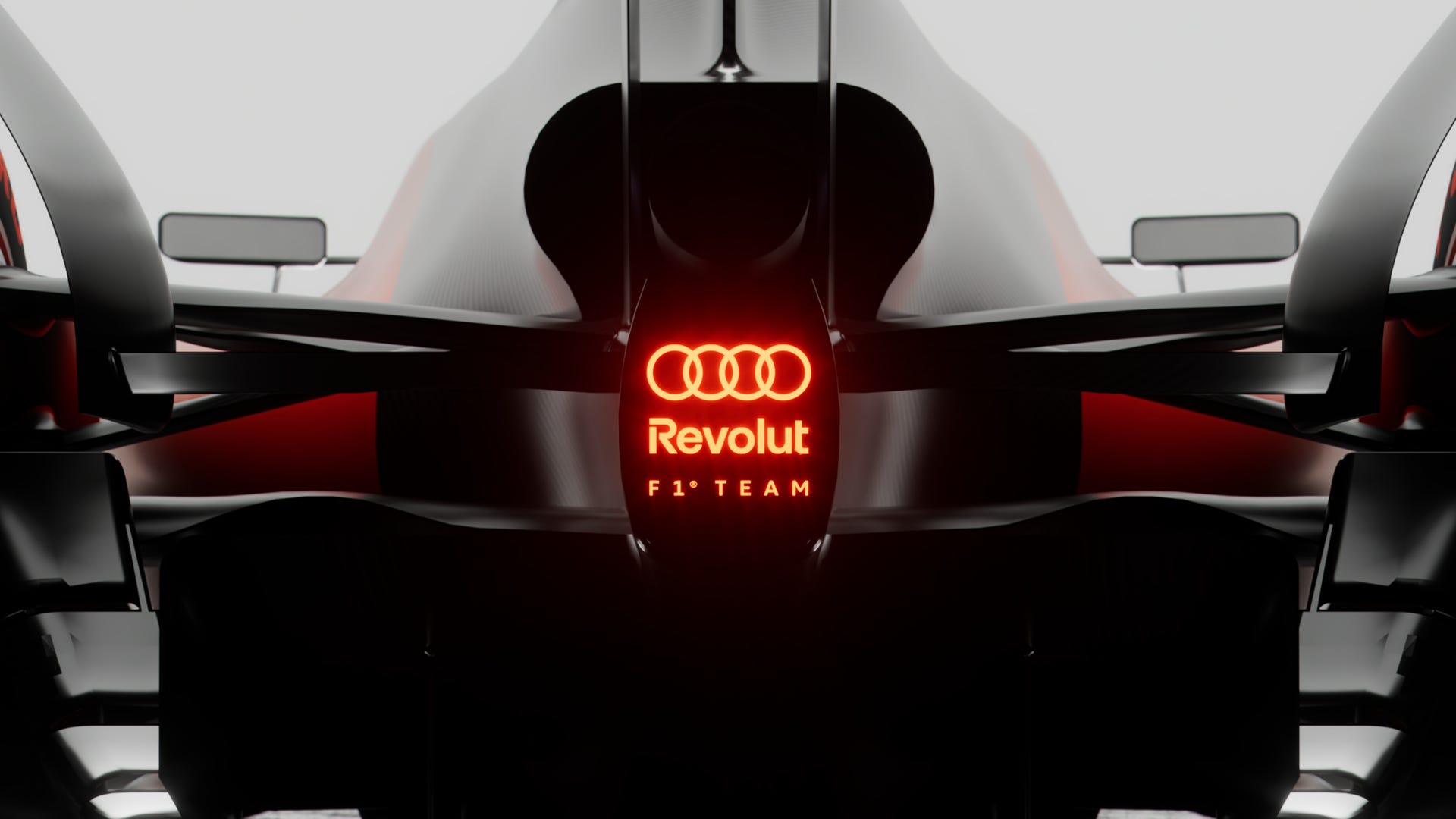
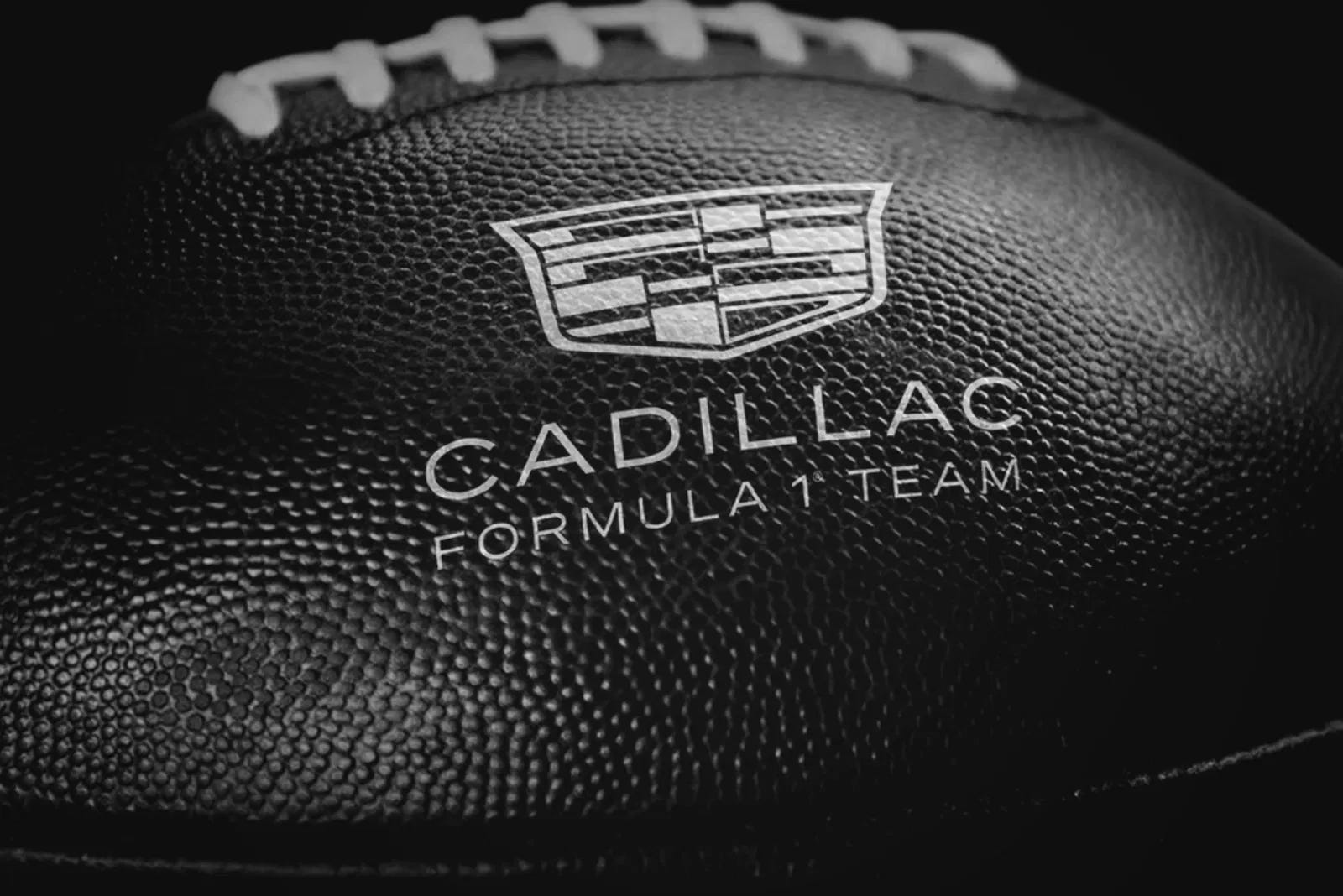
Audi makes its debut with its own power unit after taking over Sauber, marking the first German manufacturer entry since Mercedes. General Motors commits through Cadillac F1, the first new team since Haas in 2016. Cadillac are positioning themselves with American identity, livery launch during the Super Bowl, headquarters in Indiana. Starting with Ferrari power and experienced drivers in Sergio Pérez and Valtteri Bottas, they’ll develop their own engines by decade’s end.
The Competitive Unknown
The scale of change creates genuine uncertainty about 2026’s competitive balance. Teams made radically different strategic bets throughout 2025, and we won’t know which gambles paid off until the lights go out in Melbourne.
Williams sacrificed their 2025 season to focus on 2026 development, effectively writing off a year of competition to get ahead on the new regulations. Mercedes are putting everything into their new power unit, betting that getting the 50-50 electric-combustion split right will give them an advantage similar to their 2014 dominance. Aston Martin are banking on the combination of Honda engines, Adrian Newey’s design genius with new regulations to create a winning formula after years in the midfield.
Red Bull face their first season without the technical leadership that delivered their dominance, now powered by Ford rather than Honda. Established teams like Alpine and Haas must prove they can compete against factory-backed Audi and the resources General Motors brings to Cadillac.
Multiple variables create genuine uncertainty: five different engines with wildly different development philosophies, active aero creating new strategic possibilities, Manual Override Mode favouring different driving styles, and teams that made fundamentally different development choices throughout 2025. The competitive order could be completely reshuffled. When the lights go out in Melbourne, the only certainty is that F1 will look, sound, and race fundamentally differently than it did at Yas Marina.
This was a great preview for the 2026 season!! I'm also curious to see what this means for the Aston Martins' since Newey is still leading the design and technical direction. And my doubts stay rooted for Redbull after quite the tumultous year like you described and Max carrying them throughout... Verstappen has teased his retirement this whole year and if the new regulations are not up to the mark, I think he'll genuinely jet off to other motorsport events. The 2026 F1 season will be something of a tabula rasa for everyone, so this makes it an entertaining watch for sure.